
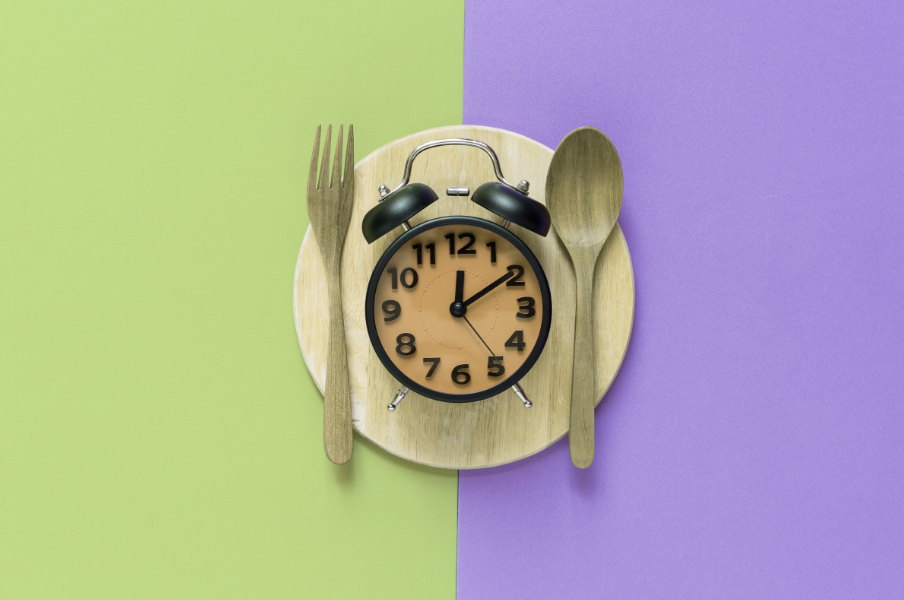
One of the questions I get asked often is “When should I eat?”
While there’s no perfect one-size-fits-all rule, there are a few key principles that can help you feel more balanced, more energized, and less hangry or irritable.
1. It’s not about the perfect timing. It’s about consistency.
Your body loves rhythm. That doesn’t mean you have to eat at exactly 8:00, 12:00, and 6:00 every single day, but it does mean your body does best when it knows when fuel is coming. Skipping meals or waiting until you’re feeling shaky, irritable, or foggy is a sign you’ve waited too long. If you’re hangry, your blood sugar has already dropped, and your stress hormones (like cortisol and adrenaline) have kicked in to compensate. Not ideal.
This can be easily avoided by having macro-balanced meals (meaning protein, fat, and carbs are all present) at consistent times each day.
2. Eat within 1–2 hours of waking.
This one’s huge for balancing blood sugar and regulating cortisol, which spikes naturally in the morning to help you wake up. If you skip breakfast or delay eating too long, your body compensates by releasing more cortisol and adrenaline to keep blood sugar stable. Over time, that can leave you feeling wired, anxious, or totally drained. It disrupts your energy levels and can also lead to general cortisol dysregulation. Are you the type who has a sudden energy surge at night and can’t get out of bed in the morning? That is a tell-tale sign your cortisol is out of rhythm.
Having a balanced breakfast, one with protein, fat, and carbs, soon after waking, sets the tone for steady energy all day.
3. If you’re working on blood sugar balance, eat more frequently at first.
If you’re dealing with blood sugar issues (low energy, brain fog, waking up at 3 a.m., intense cravings, frequent urination, hangry, irritable, headaches, lightheadedness, etc.), eating smaller meals every 3-4 hours can help keep things more stable while your body relearns how to regulate itself. Once things even out, you can likely shift back to 3 solid meals a day without the crashes. If this is you, be very mindful of the carbs you’re consuming. Eliminate anything processed or sugary.
4. If you’re working out, timing matters.
Whether you’re lifting weights, running, or doing yoga with strength components, don’t skimp on fuel. Eating before a workout ensures your body doesn’t start breaking down muscle for energy. And getting in protein within 30 minutes after more intense workouts (especially strength training) helps repair muscle tissue and build the strength you’re working so hard for. Recovery isn’t just about rest—it’s also about replenishment.
There’s no perfect meal timing schedule, but consistency and intention go a long way. Tune into your body’s signals, don’t skip breakfast, and fuel your workouts if you want results. Forget rigid rules, this is about building sustainable rhythms that support your energy, mood, and metabolism.
For more grounded, no-BS nutrition tips that actually support your life, follow me on Instagram and sign up for my weekly newsletter, The Feel Good Flyer.


 Your Traveling NTP
Leave a reply to Jamie Cancel reply